



In bygone centuries, the sea was a realm full of mysteries. For sailors voyaging on wooden sailing ships, the horizon was the line separating the known from the unknown. Each day on board began with careful observation of the sea—whether land would appear on the distant line, a foreign vessel, or a sign of an approaching storm.
It was precisely from this need that the first optical instruments were born. As early as the 17th century, simple devices began to be used that made it possible to see more than the human eye. In time, binoculars emerged—tools that became an indispensable part of the equipment of merchant, naval, and exploration ships.
For navigators and captains, they were not merely a practical object. Looking through glass toward the horizon had something symbolic about it—it was a look into the future, toward new lands and stories that were yet to be written.
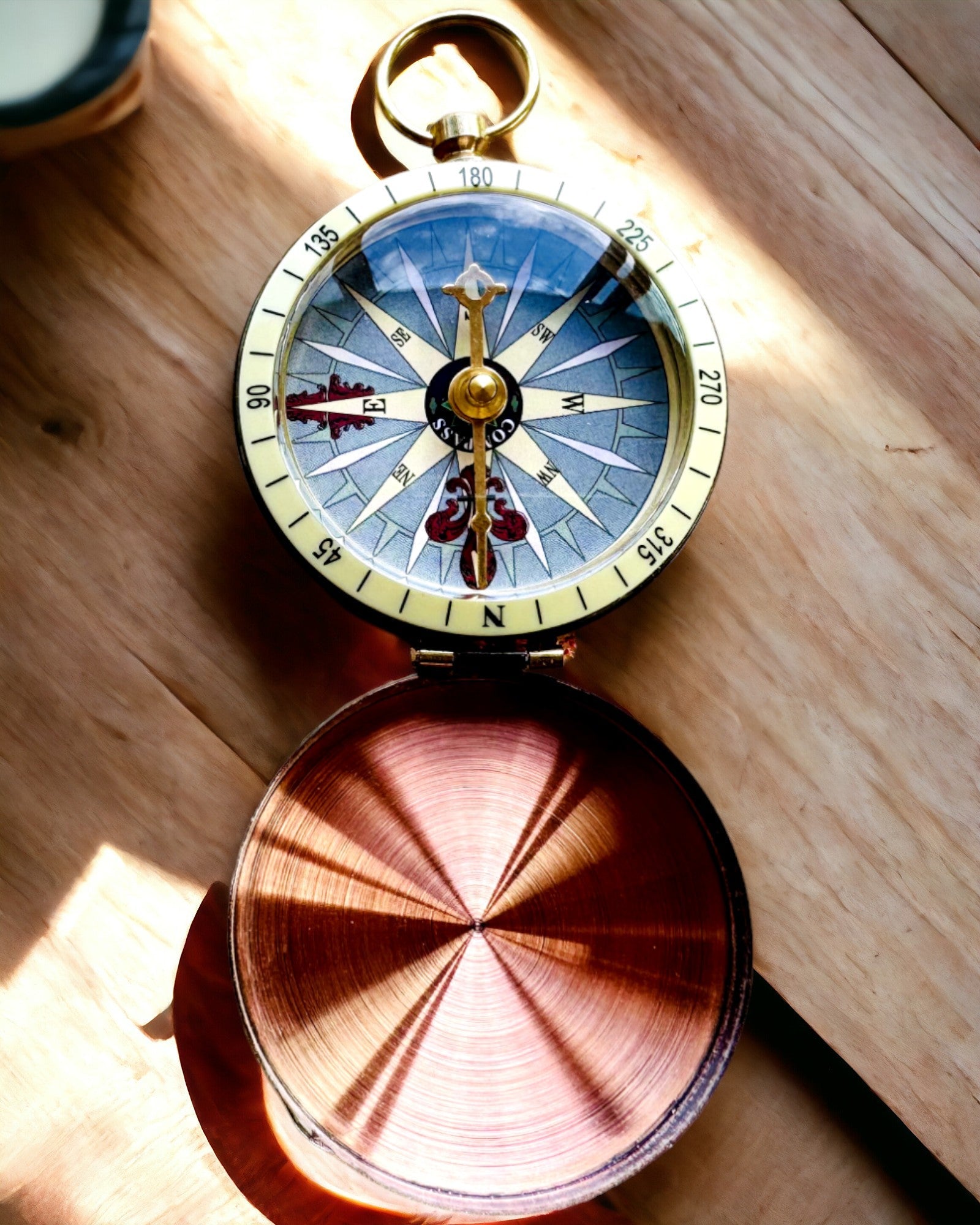
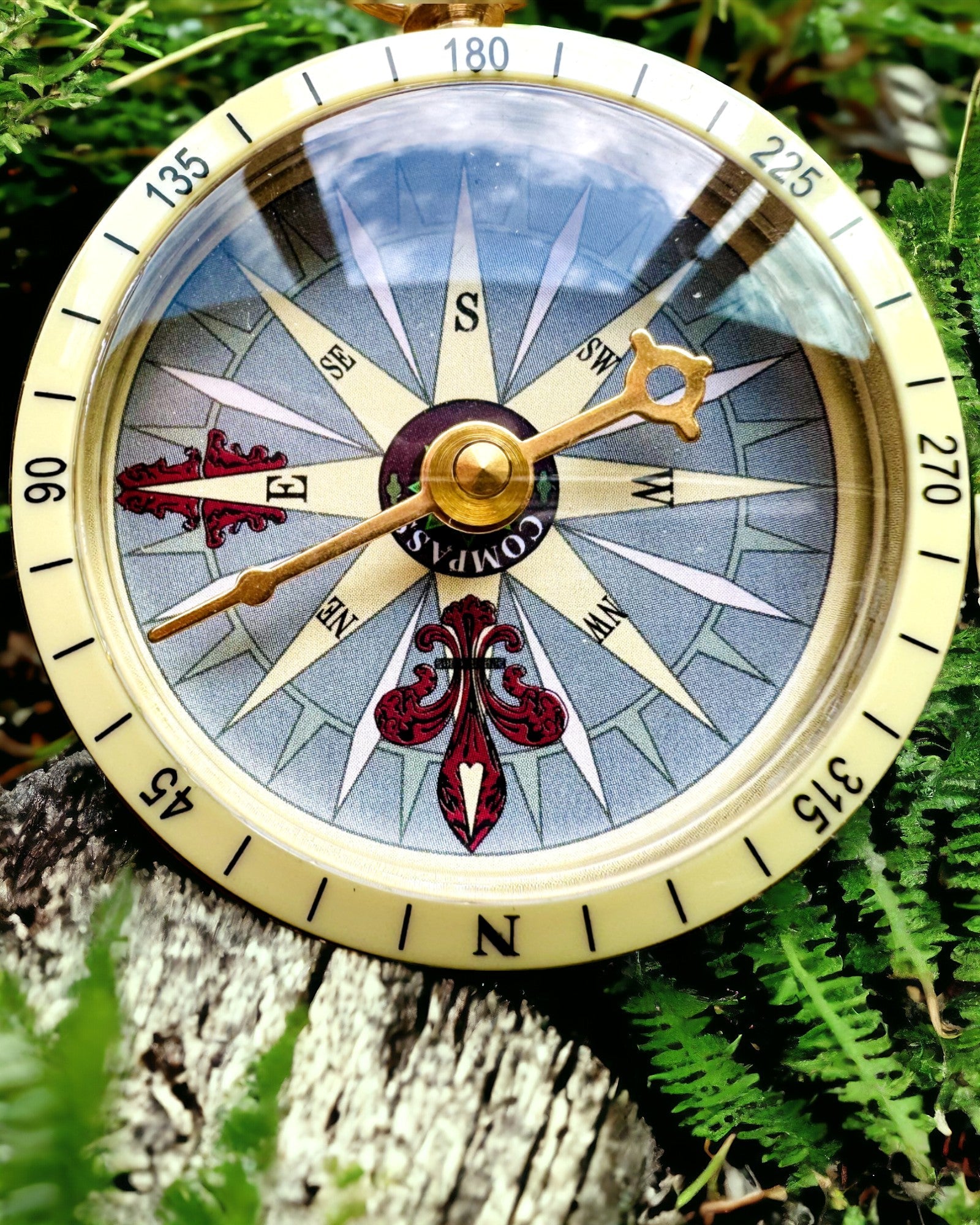
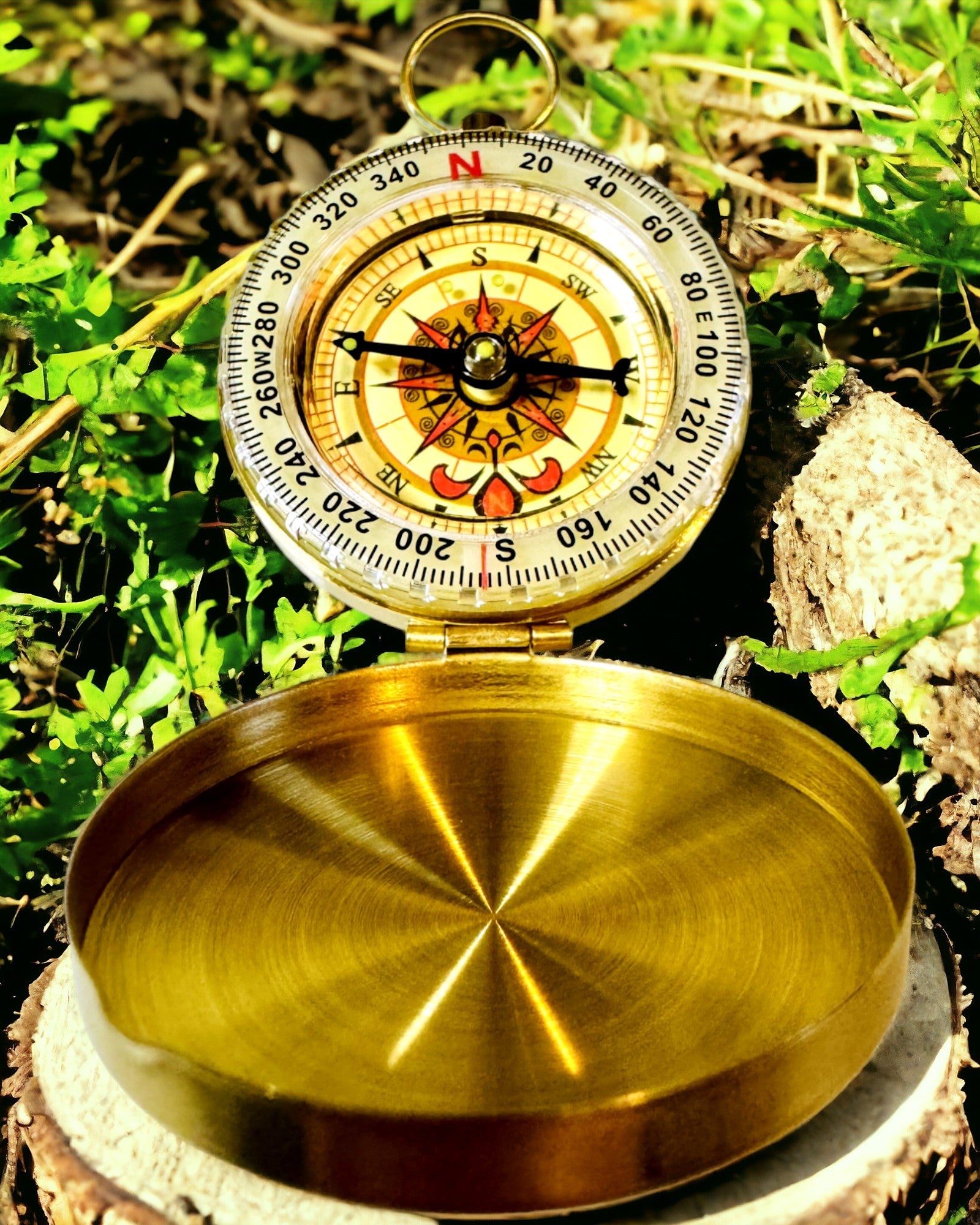
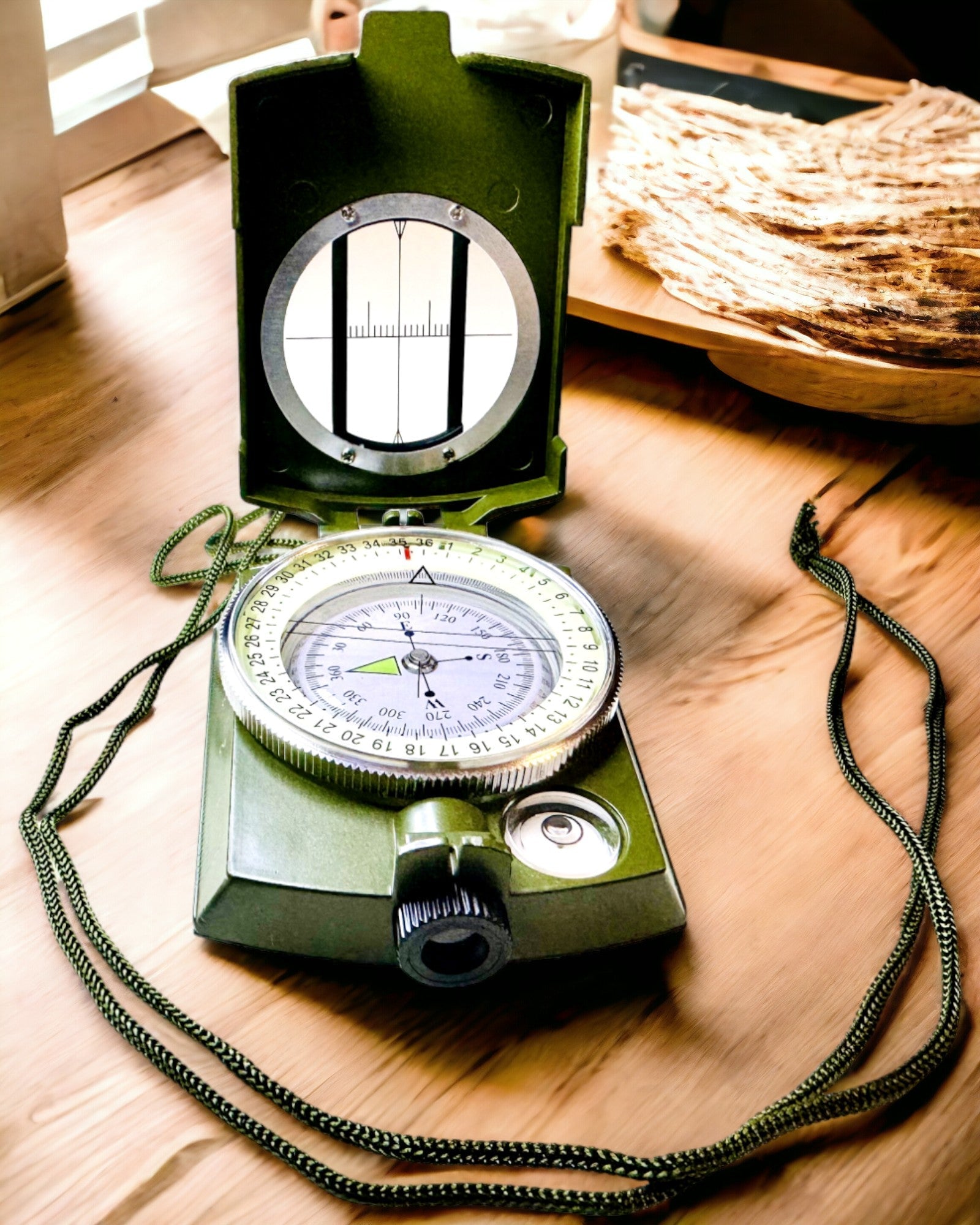
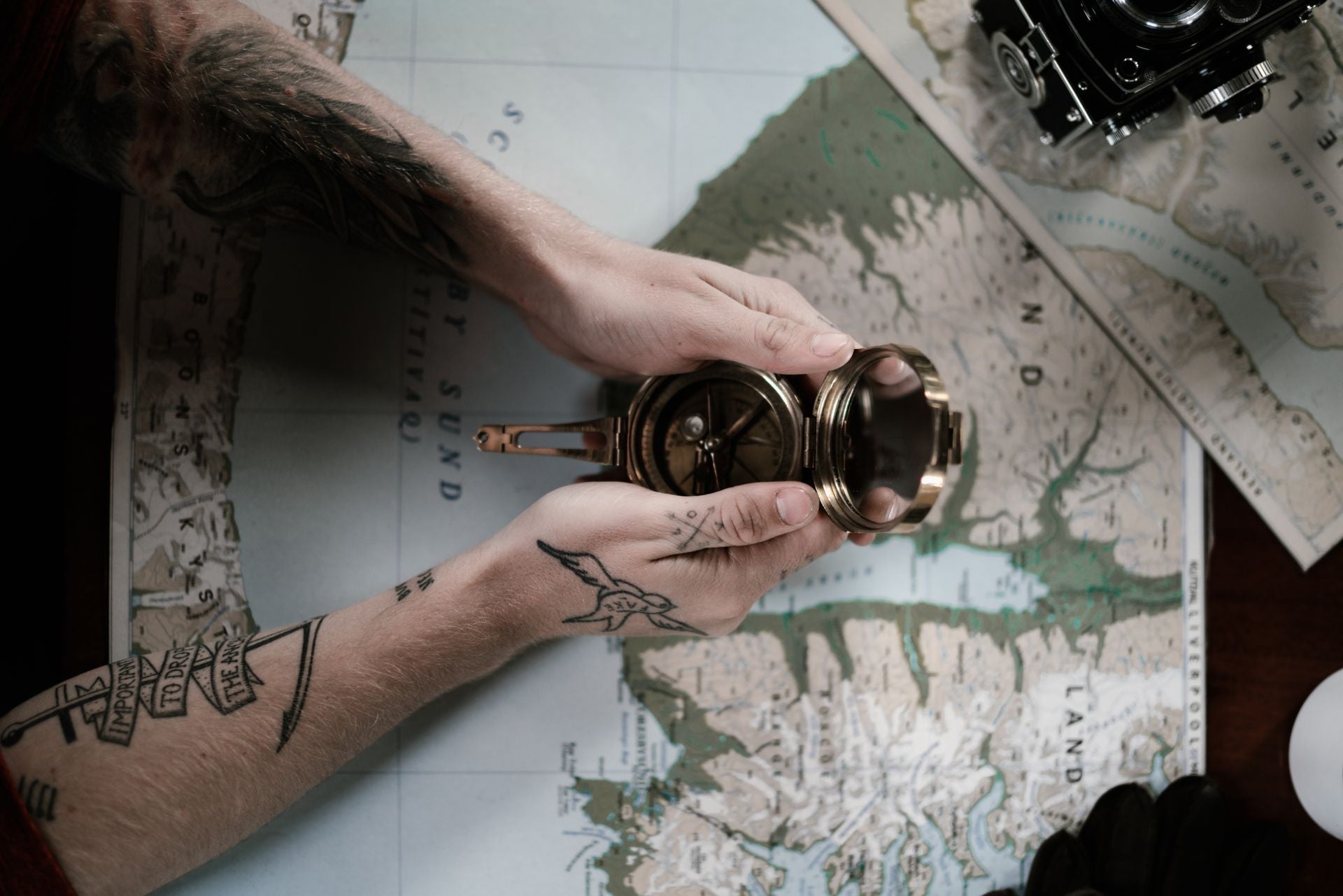
Optical instruments from that era were often handcrafted from brass, leather, and glass. In captains’ cabins, they lay alongside maps, compasses, and sextants—silent witnesses to voyages across the oceans.
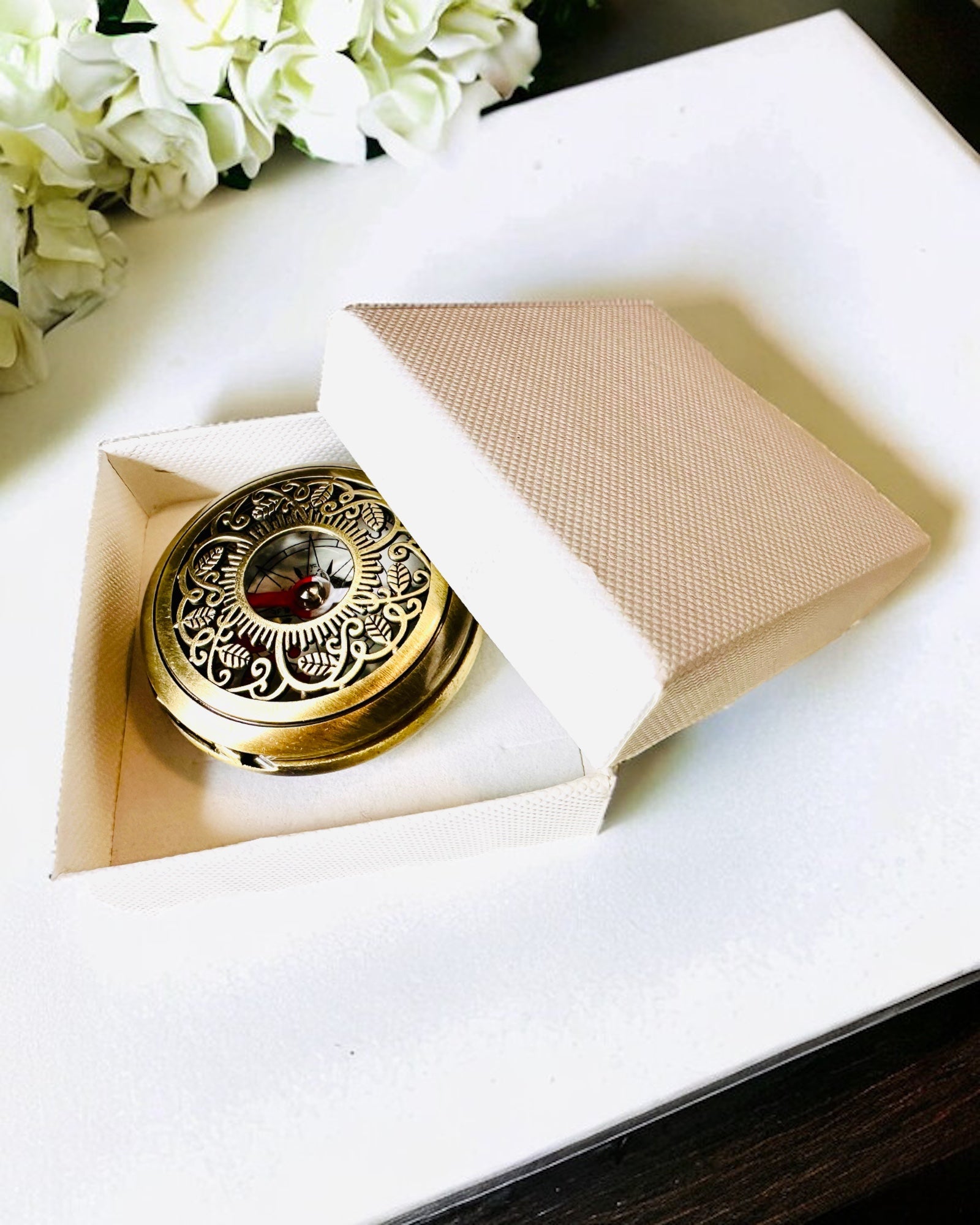
Today, such objects evoke the times when discovering the world required courage, patience, and an unceasing gaze into the distance. Increasingly, they are also returning in the form of personalized items—engraved with a name, a date, or a short dedication. Thanks to this, they gain not only a historical character but also personal meaning, becoming a keepsake that can accompany future generations.








Personalized love
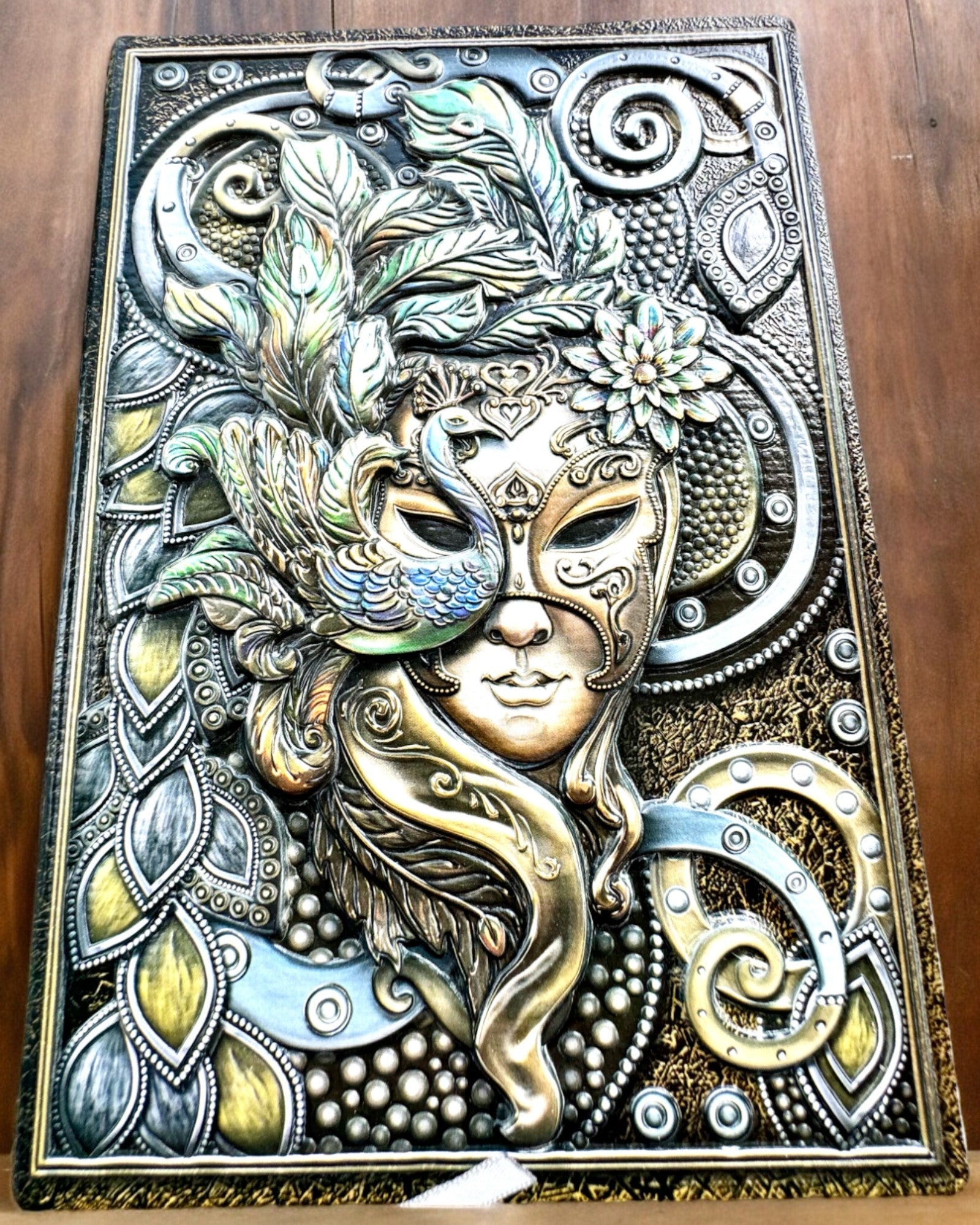
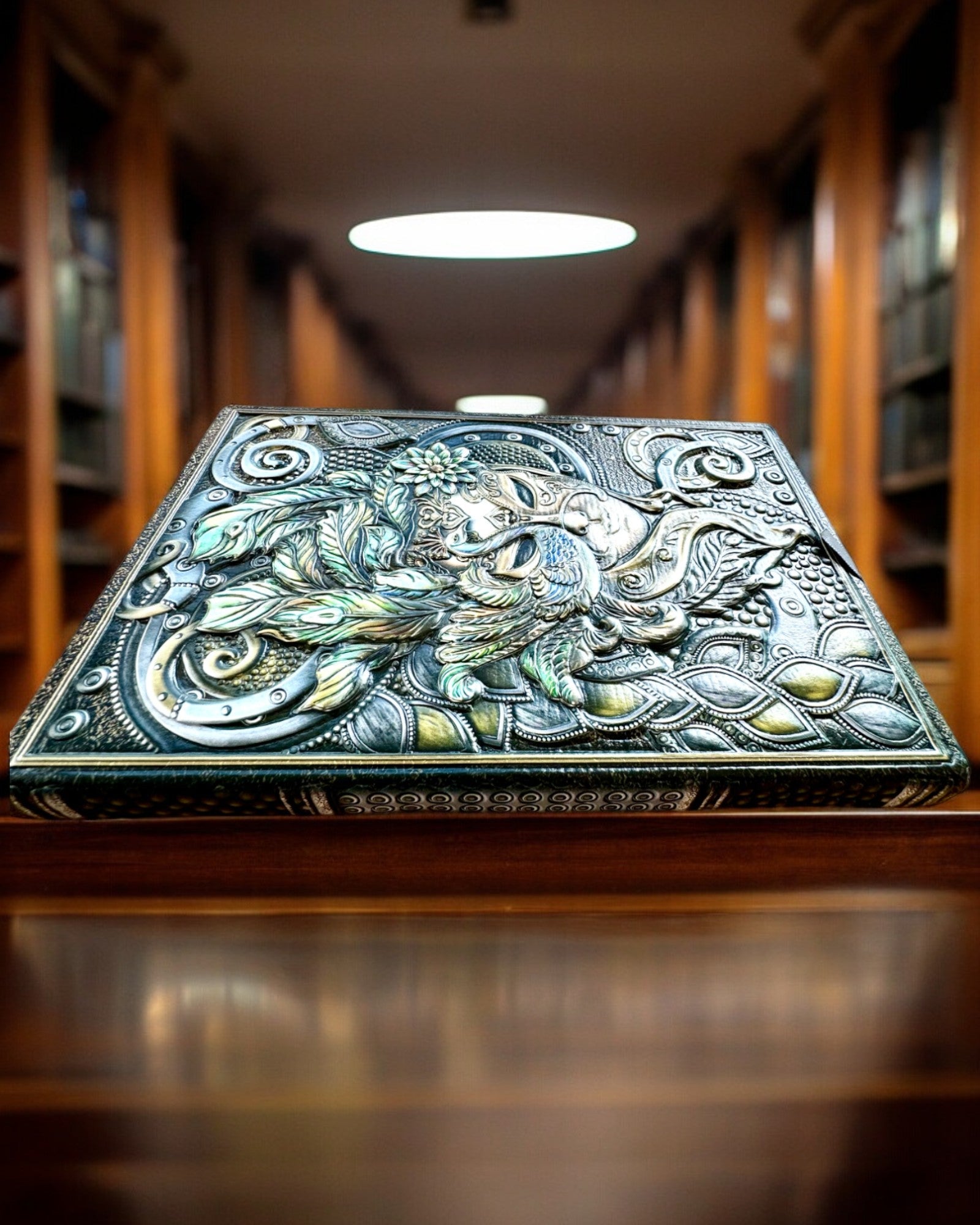
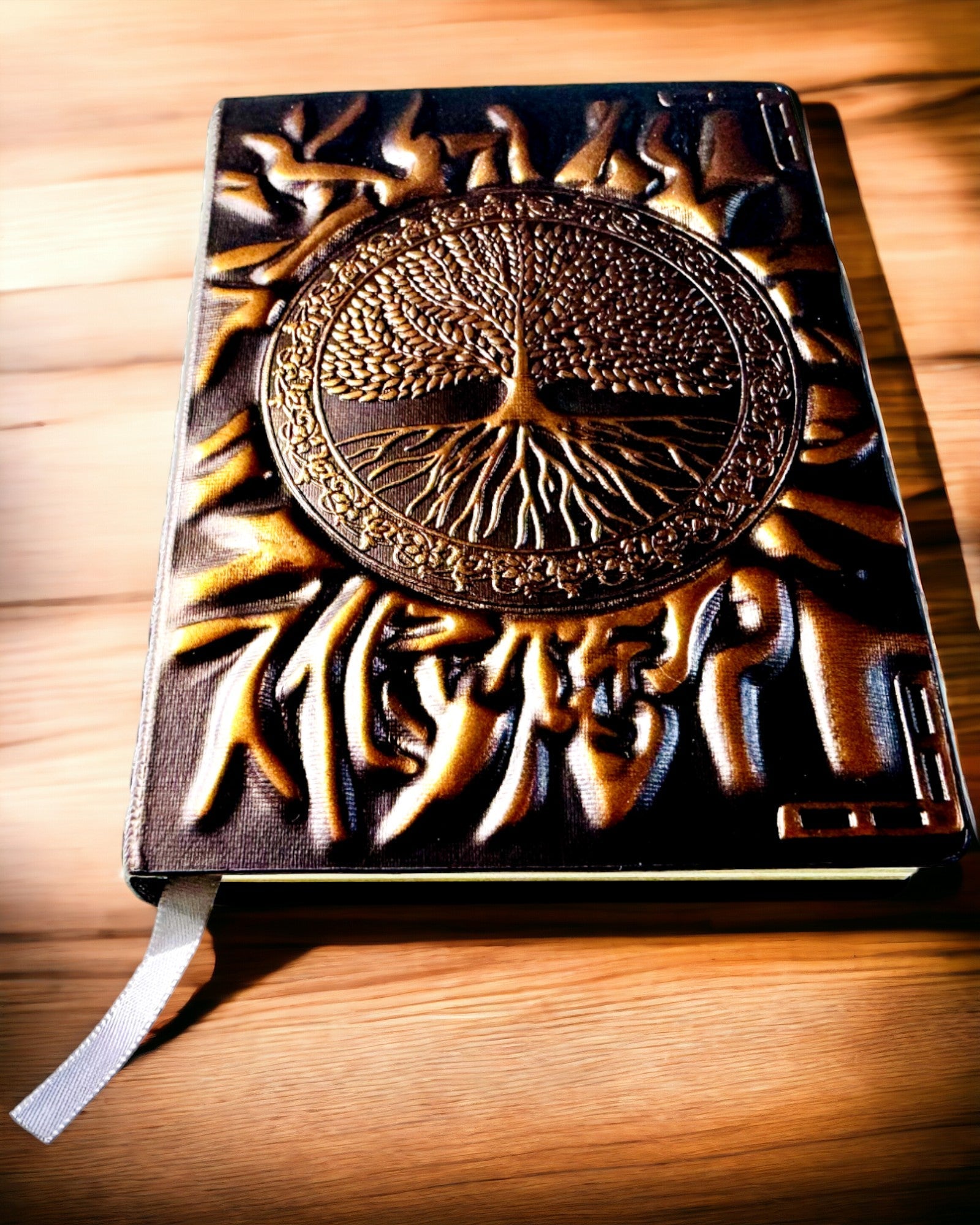
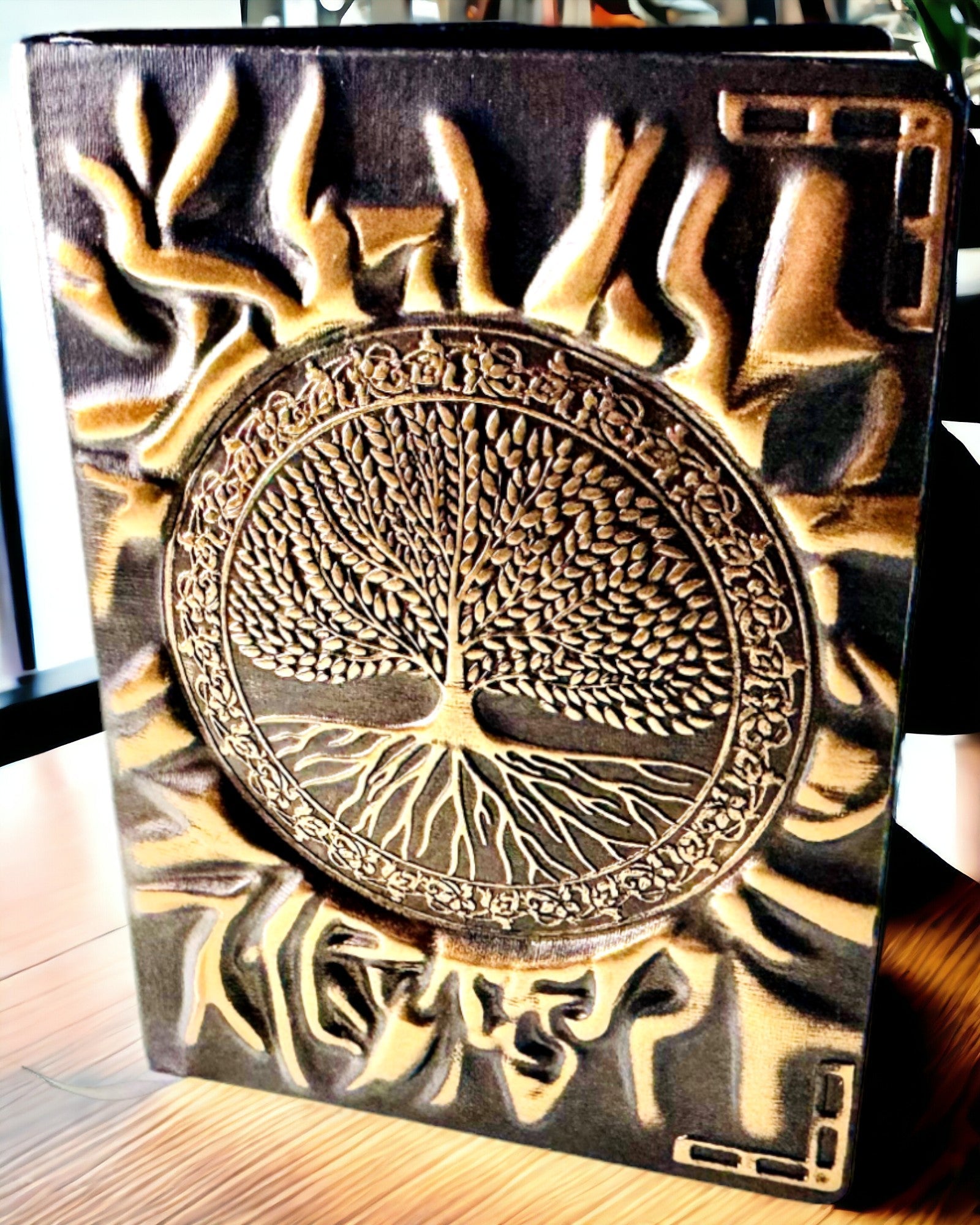
Notebooks with a chakra motif – space for journeys, memories, and inner harmony